If you've been experiencing foot pain, heel pain, knee discomfort, or even low back pain, the source of the problem may actually start with your feet. The way your feet function influences the alignment and movement of your entire body. When foot mechanics are altered, it can create stress throughout the ankles, knees, hips, and spine.
One of the most common conditions associated with abnormal foot mechanics is plantar fasciitis, a painful condition affecting the bottom of the foot and heel.
What Is the Plantar Fascia?
The plantar fascia is a thick band of connective tissue that runs from the heel bone to the toes. It acts like a shock absorber and helps support the arch of the foot while storing and releasing energy during walking and running.
This structure plays an essential role in maintaining stability and efficiency with every step. When excessive strain is placed on the plantar fascia, tiny areas of irritation can develop, leading to pain and inflammation.
Common Signs and Symptoms of Plantar Fasciitis
Plantar fasciitis often develops gradually rather than suddenly. Many people notice:
- Sharp pain on the bottom of the heel when taking their first steps in the morning.
- Pain after prolonged sitting or periods of rest.
- Increased discomfort after long periods of standing.
- Heel pain that improves with activity but worsens later in the day.
- Tightness in the calf muscles or Achilles tendon.
- Tenderness when pressing on the inside portion of the heel.
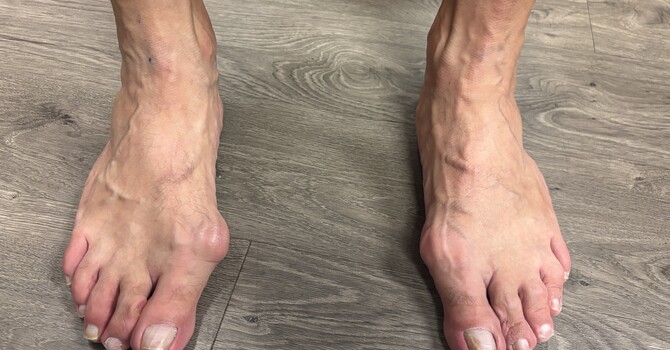
While plantar fasciitis is commonly associated with runners, it can affect anyone and is frequently seen in individuals with flat feet, high arches, occupations that require prolonged standing, or those wearing unsupportive footwear.
How Can Foot Mechanics Affect the Rest of the Body?
Your feet are the foundation of your body. When they do not function efficiently, the effects can travel upward through the kinetic chain.
Poor foot mechanics may contribute to:
- Plantar fasciitis and heel pain
- Achilles tendon discomfort
- Shin splints
- Knee pain
- Hip pain
- Low back pain
- Increased fatigue during walking or exercise
Flat feet may allow the arch to collapse excessively, causing increased stress on the knees and hips. Conversely, high arches can reduce shock absorption and increase pressure on specific areas of the foot and lower limb.
Why Treating Plantar Fasciitis Is Important
Many people hope heel pain will simply go away with time, but untreated plantar fasciitis often becomes a chronic problem. Persistent pain can alter your gait and cause compensation patterns that place additional stress on the knees, hips, and lower back.
Fortunately, most cases respond well to conservative treatment.
Footwear
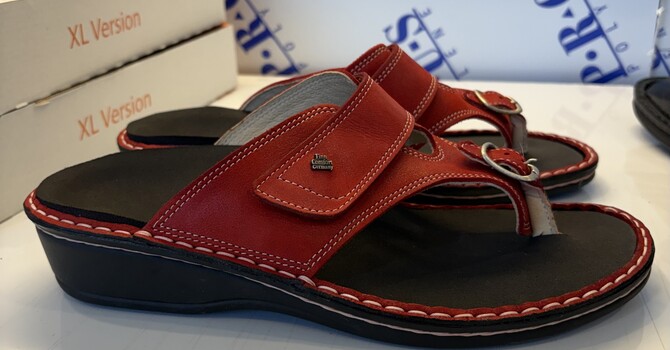
Supportive shoes are often the first step in managing plantar fasciitis. Proper footwear helps control abnormal motion, improve shock absorption, and reduce stress on the plantar fascia.
Over-the-Counter Insoles and Custom Foot Orthotics
Over-the-counter insoles can provide support and cushioning for mild symptoms. For more persistent or complex conditions, custom foot orthotics may help improve biomechanics, redistribute pressure, and reduce strain on painful tissues.
Physiotherapy
Physiotherapists can provide stretching programs, strengthening exercises, and manual therapy to address contributing factors such as calf tightness, weakness, and mobility restrictions.
Massage Therapy
Massage therapy may help decrease tension in the calf muscles, Achilles tendon, and plantar fascia while improving circulation and reducing muscle tightness.
Foot Exercises
Strengthening the intrinsic muscles of the foot and improving flexibility throughout the lower leg can help support the arch and improve overall foot function.
Treatment often works best when several approaches are combined rather than relying on a single solution.
Who Is at Risk for Developing Foot Problems?
Certain genetic and environmental factors can increase the likelihood of developing plantar fasciitis and other lower limb conditions.
Common risk factors include:
- Flat feet
- High arches
- Previous foot or ankle injuries
- Wearing unsupportive footwear
- Occupations that involve prolonged standing or walking
- Running and high-impact sports
- Tight calf muscles
- Weight gain or increased activity levels
Why a Biomechanical Assessment Is Important
Pain is often the final symptom of an underlying mechanical problem. Even if discomfort is mild or intermittent, identifying contributing factors early can help prevent more significant issues in the future.
A comprehensive biomechanical assessment evaluates:
- Foot posture and arch structure
- Walking and gait mechanics
- Joint mobility
- Muscle strength and flexibility
- Areas of excessive pressure or instability
- Previous injuries and lifestyle factors
Whether you currently have pain or possess risk factors such as flat feet, high arches, a standing work environment, or a history of injury, understanding how your body moves can provide valuable insight and guide effective treatment.
Find Relief with a Comprehensive Assessment
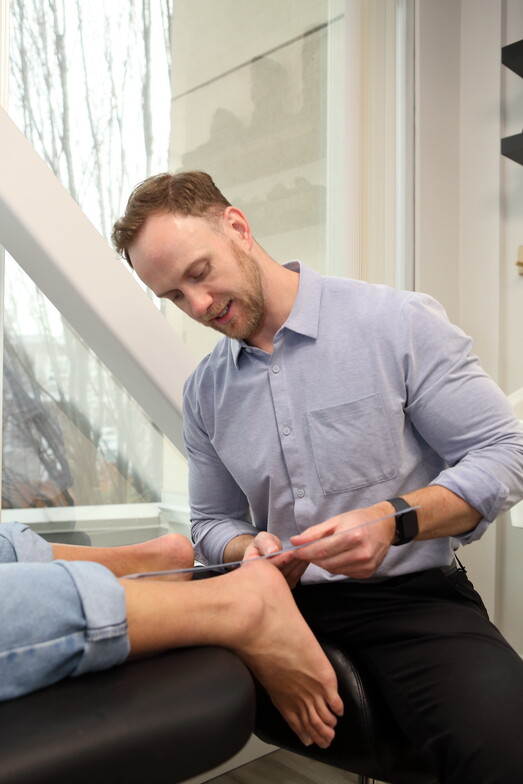
At Kelowna Premium Orthotics, we provide detailed biomechanical assessments to help identify the source of foot, knee, hip, and lower back pain. Through personalized treatment recommendations, footwear guidance, custom foot orthotics, and collaboration with other healthcare professionals, we aim to help you move comfortably and stay active for years to come.
If you're experiencing heel pain or have concerns about your foot mechanics, booking a biomechanical assessment is an excellent first step toward understanding the cause and finding the right solution.
Sam Biggs
Contact Me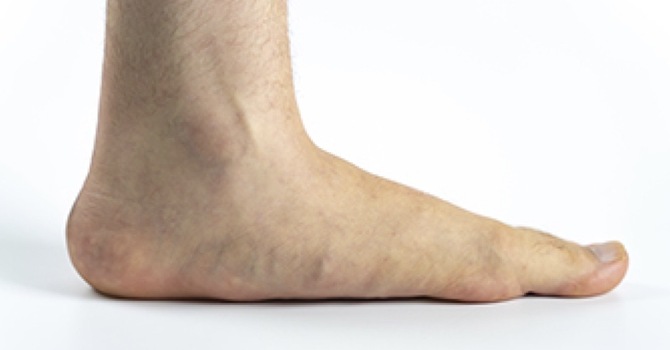


.png)