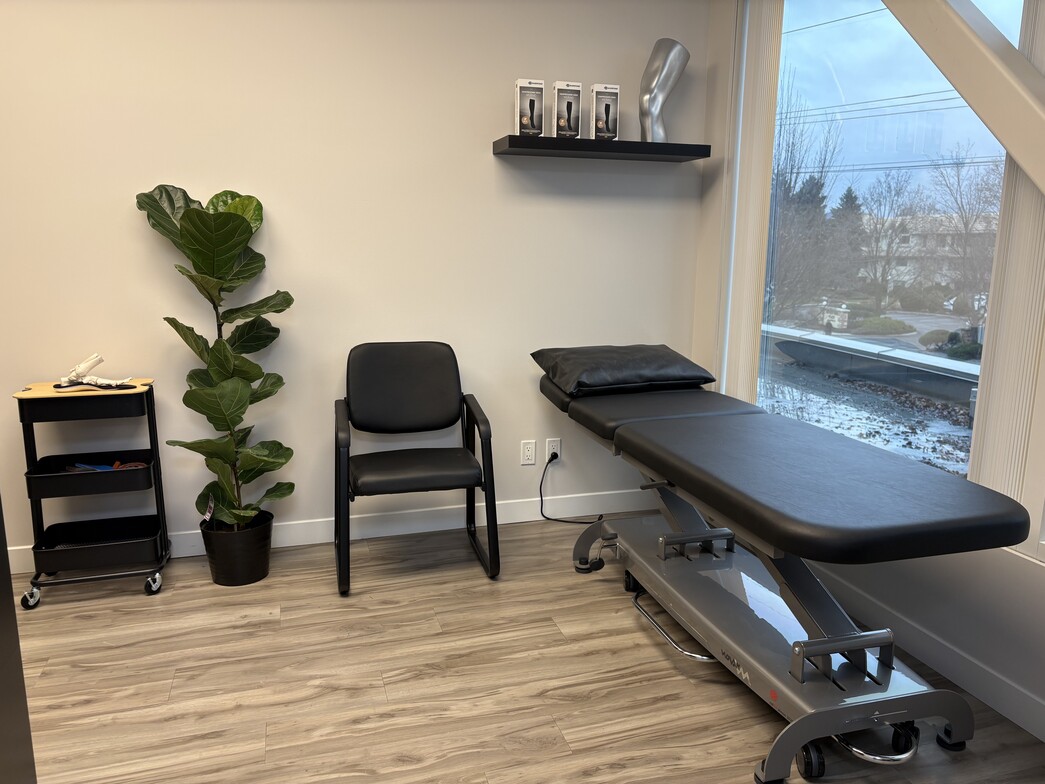
If you’ve ever experienced foot pain, heel discomfort, or tired, aching legs after a long day, you’ve probably considered trying insoles for extra support. One of the most common questions patients ask is whether they should choose custom foot orthotics or simply buy an over-the-counter insole from a pharmacy or shoe store.
While both options are designed to improve comfort inside your shoes, there are significant differences in how they function, who they are designed for, and the types of problems they can address. Understanding these differences can help you choose the right solution for your feet and your long-term comfort.
Off-the-shelf insoles are mass-produced inserts designed to provide general cushioning and support for a wide range of people. They are widely available, relatively inexpensive, and can sometimes improve comfort for mild fatigue or temporary soreness. Many over-the-counter insoles focus primarily on adding softness or arch support inside the shoe rather than correcting specific biomechanical issues.
For some people, especially those without significant foot problems, an off-the-shelf insole may provide enough comfort for daily use. However, because these inserts are not customized, they are designed around an “average” foot shape and walking pattern. The reality is that very few people have perfectly average feet.
Custom foot orthotics are different because they are specifically designed for your unique foot structure, gait mechanics, and lifestyle. A custom foot orthotic is created after a detailed biomechanical assessment that evaluates how your feet move, how your body aligns during walking, and where excessive stress or imbalance may be occurring. This personalized approach allows the orthotic to address the root cause of discomfort rather than simply adding cushioning.
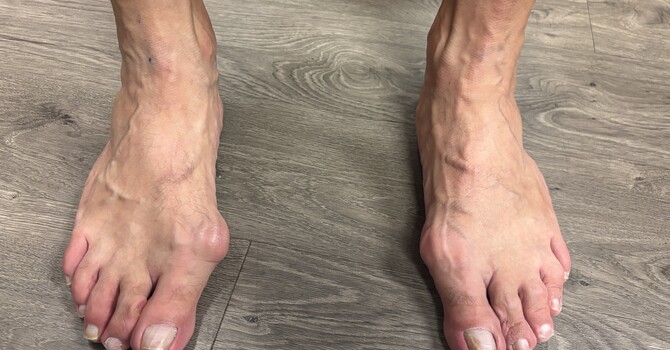
People experiencing conditions such as plantar fasciitis, bunions, flat feet, high arches, tendon pain, knee discomfort, or lower back pain often require more than just extra padding inside their shoes. In many cases, improper foot mechanics contribute to ongoing stress throughout the body. Custom orthotics are designed to improve alignment, redistribute pressure more evenly, and support more efficient movement patterns during daily activities.
Durability is another important difference. Off-the-shelf insoles are often made from softer materials that can compress and wear down relatively quickly, especially with regular use. Custom foot orthotics are built using more durable materials and are designed to withstand long-term wear while maintaining their structure and support.
Another major advantage of custom foot orthotics is that they are tailored to your lifestyle and footwear needs. Someone who spends long hours standing at work may require a different type of support than a runner training for a marathon or a person recovering from an injury. Custom orthotics can be designed specifically for work boots, athletic shoes, casual footwear, or sport-specific activities.
This does not mean that everyone automatically needs custom foot orthotics. Some people may do well with supportive footwear and quality over-the-counter inserts, especially if their symptoms are mild or temporary. However, if pain continues despite trying generic insoles, or if symptoms regularly interfere with work, exercise, or daily comfort, a professional assessment may help identify whether custom support is necessary.
The most important difference comes down to personalization. Off-the-shelf insoles are designed for the general public, while custom foot orthotics are designed specifically for you. When the goal is not only comfort but also improved movement, reduced pain, and long-term support, customization can make a significant difference.
Sam Biggs
Contact Me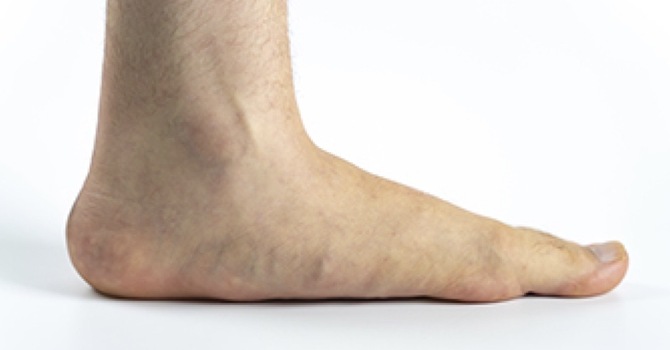


.png)