When people experience knee, hip, or lower back pain, they often focus only on the area that hurts. However, many lower-body issues actually begin at the foundation of the body, the feet. The way your feet move and support your body can have a major impact on your overall alignment, posture, and movement patterns. When foot mechanics are not functioning properly, the stress created during walking and standing can travel upward through the body and contribute to pain in other joints.
At Kelowna Premium Orthotics, one of the most common things patients discover during an assessment is that their knee, hip, or back pain may be connected to the way their feet move.
Your feet act as the base of support for your entire body. Every step you take involves a chain reaction of movement through the ankles, knees, hips, and spine. When the feet roll excessively inward, remain too rigid, or lack proper support, the body is forced to compensate higher up the chain. Over time, these compensations can place increased strain on muscles, tendons, ligaments, and joints.
One of the most common biomechanical issues is overpronation, which occurs when the feet roll inward excessively while walking. This can alter the alignment of the knees and hips, creating additional stress throughout the lower body. In some people, this contributes to knee pain, particularly around the kneecap, while others may experience hip tightness or lower back discomfort due to changes in posture and movement patterns.
Flat feet and high arches can also affect how force is distributed throughout the body. Flat feet may reduce stability and alter leg alignment, while high arches often decrease shock absorption during walking and running. Both conditions can increase stress on the joints over time, especially during activities that involve prolonged standing, exercise, or repetitive movement. Variable arch heights from the left and right foot, may cause unlevel hips thus stain the lower back.
Many people are surprised to learn that chronic lower back pain can sometimes be linked to poor foot mechanics. When the feet are not functioning efficiently, the body may compensate by changing posture or shifting weight unevenly. These subtle imbalances can gradually contribute to muscle tension and strain in the lower back.
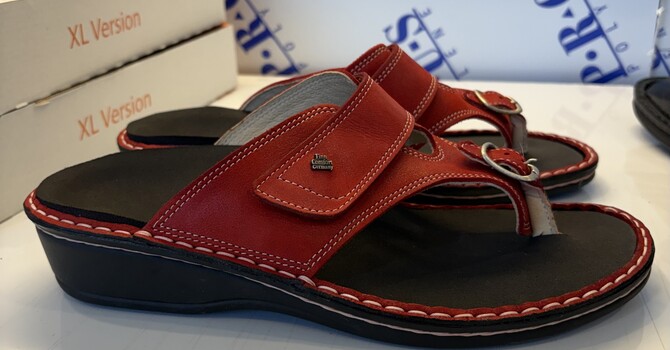
Foot-related alignment issues are particularly common in people who spend long hours standing, athletes and runners, individuals with physically demanding jobs, and anyone with a history of foot pain or injury. Even footwear can play a role. Shoes that lack support or stability may contribute to poor movement patterns and place extra stress on the body over time.
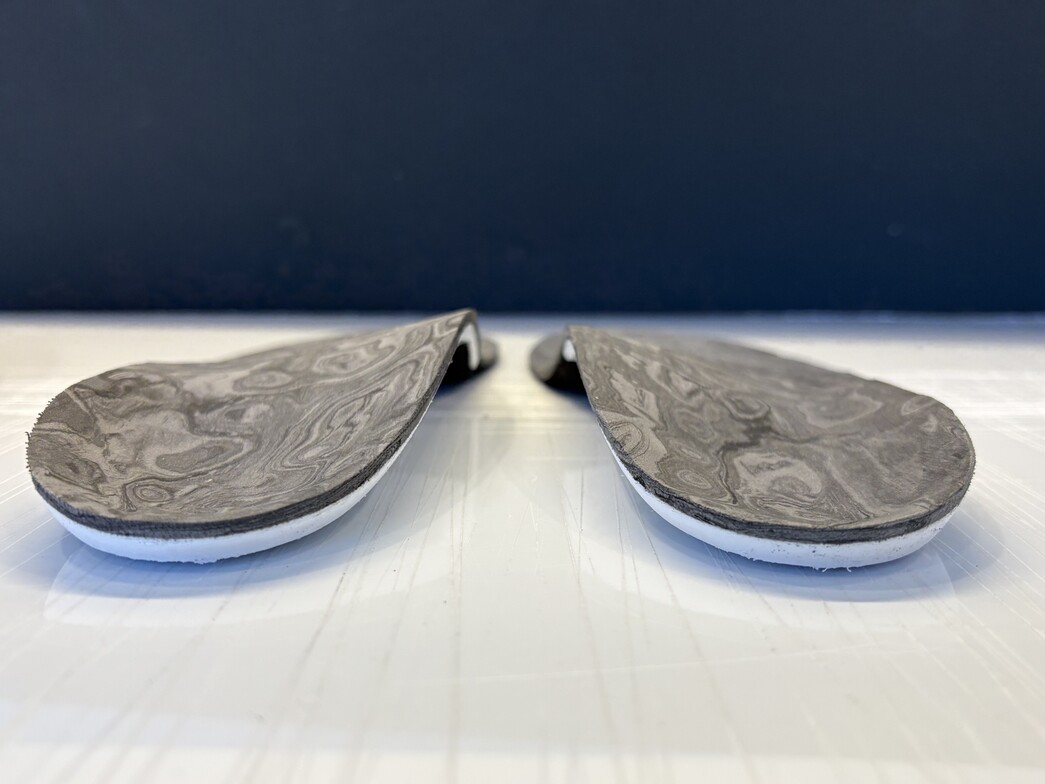
The good news is that improving foot mechanics can often reduce strain throughout the entire lower body. Custom orthotics are designed to support the feet, improve alignment, and help distribute pressure more evenly during movement. By correcting biomechanical imbalances, custom orthotics can help reduce stress on the knees, hips, and lower back while improving overall comfort and stability.
A comprehensive assessment is important because every person moves differently. At Kelowna Premium Orthotics, we evaluate foot structure, gait mechanics, posture, and footwear to understand how your body is functioning as a whole. This allows treatment to target the root cause of the problem rather than only managing symptoms.
While foot mechanics are not the cause of every case of knee, hip, or back pain, they are often an overlooked piece of the puzzle. Identifying and correcting these issues early can help improve movement, reduce discomfort, and prevent further strain on the body over time.
Sam Biggs
Contact Me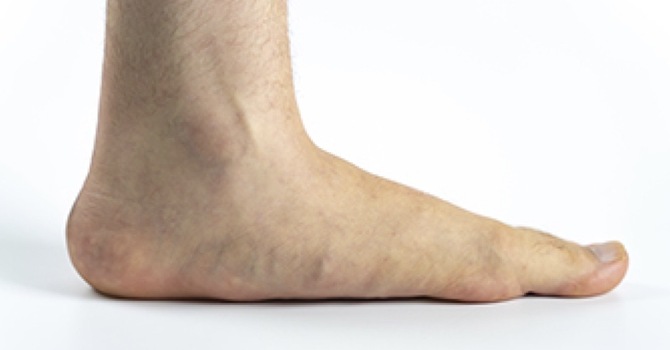


.png)