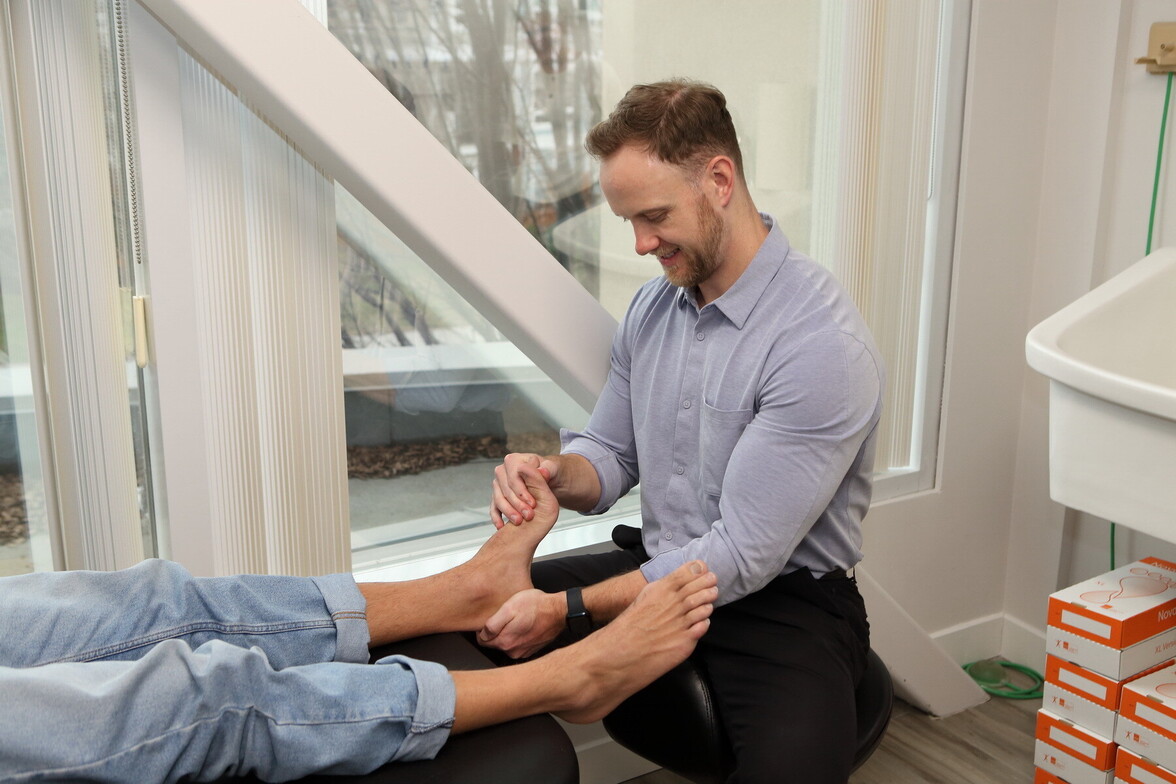
Bunions are a common foot condition that can cause discomfort, swelling, and difficulty finding comfortable shoes. While many people assume bunions are simply a cosmetic issue, they are actually a structural problem within the foot that can worsen over time if left untreated. Understanding what bunions are, why they develop, and how they can be managed is an important step toward protecting your long-term foot health.
A bunion forms when the joint at the base of the big toe gradually shifts out of alignment. As the big toe begins to lean toward the second toe, a bony bump develops on the inside of the foot. This change in alignment places additional pressure on the joint, which can lead to inflammation, pain, and difficulty wearing certain types of footwear. Over time, the joint may become increasingly stiff and irritated, especially during activities that require prolonged standing or walking.
Several factors can contribute to the development of bunions. Genetics often play a significant role, as some people naturally inherit foot structures that make them more prone to this condition. Flat feet, overly flexible joints, and certain walking patterns can increase pressure on the big toe joint and gradually lead to misalignment. Footwear may also contribute to symptoms, particularly shoes that are narrow, tight, or place excessive pressure on the front of the foot.
Many people first notice a bunion as a small bump along the side of the big toe joint. As the condition progresses, symptoms may include redness, swelling, tenderness, and pain that worsens with activity. Some individuals also develop corns or calluses where the first and second toes rub together. In more advanced cases, the joint may become stiff and the big toe may begin to overlap the second toe, which can further affect balance and walking mechanics.
Although bunions do not correct themselves, there are several ways to manage symptoms and slow their progression. Early treatment typically focuses on reducing pressure on the affected joint and improving overall foot mechanics. Wearing shoes with a wider toe box, softer materials, and proper support can help reduce irritation and provide more space for the toes. Padding and protective sleeves may also help reduce friction in sensitive areas.
Custom foot orthotics can play an important role in managing bunion discomfort. By supporting the arch and improving foot alignment, custom foot orthotics help redistribute pressure across the foot and reduce strain on the big toe joint. While custom foot orthotics cannot reverse an existing bunion, they can significantly improve comfort and help prevent the condition from worsening.
In some cases where bunions become severe or extremely painful, surgical correction may be considered. However, many people are able to manage their symptoms effectively through conservative treatments such as orthotics, supportive footwear, excersies and activity modifications.
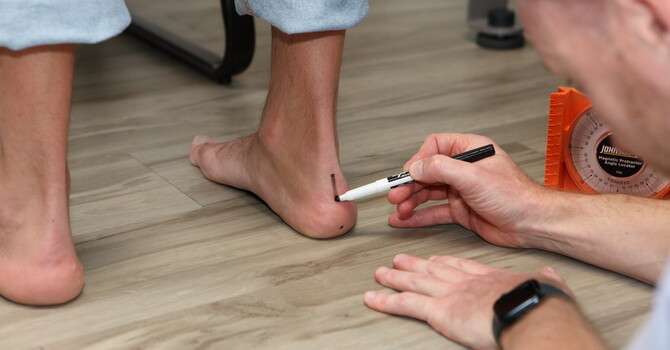
If you’re experiencing pain or discomfort around your big toe joint, a professional assessment can help determine the best treatment options for your feet. At Kelowna Premium Orthotics, we evaluate your foot structure, walking pattern, and footwear to create a plan that helps reduce pain and improve comfort.
Sam Biggs
Contact Me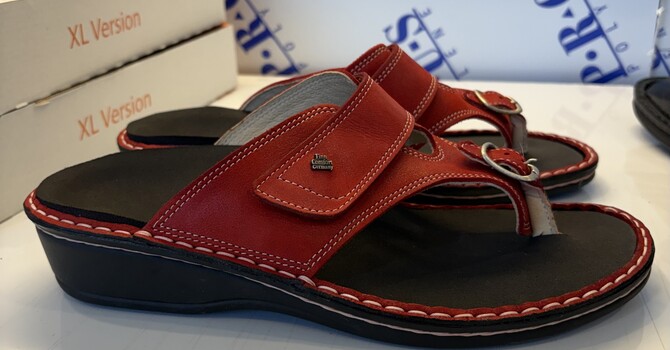



.png)