Plantar fasciitis is one of the most common causes of heel pain, affecting people of all ages and activity levels. Whether you’re on your feet all day for work, training for a race, or simply waking up with sharp pain in your heel each morning, this condition can significantly impact your daily comfort and mobility. At Kelowna Premium Orthotics, I help patients understand what’s causing their discomfort and guide them toward long-lasting solutions. Here’s what you need to know about plantar fasciitis, why it develops, and how it can be effectively treated.
Plantar fasciitis occurs when the plantar fascia, a thick band of tissue running from your heel to your toes becomes irritated or inflamed. This tissue acts like a shock absorber and plays an important role in supporting the arch of your foot. When it’s overused, strained, or repeatedly stressed, tiny micro-tears can develop, leading to the characteristic heel pain associated with this condition. People often describe the pain as sharp, stabbing, or aching, particularly during the first few steps in the morning or after long periods of rest.
There are several factors that can contribute to plantar fasciitis. For many people, it’s linked to foot structure, such as flat feet, high arches, or a tight Achilles tendon. Others develop symptoms due to improper footwear, especially shoes that lack support or cushioning. Sudden increases in physical activity, prolonged standing, and repetitive high-impact movements can also strain the plantar fascia. Even lifestyle changes, such as starting a new job or exercise routine, can trigger the onset of heel pain.
One of the most recognizable signs of plantar fasciitis is morning heel pain that gradually eases as the foot warms up. Many patients also experience discomfort after sitting for long periods or after long walks, runs, or standing shifts. Although symptoms may come and go, untreated plantar fasciitis can persist for months or even years, eventually affecting the way you walk and placing stress on other areas like the knees, hips, and lower back.
Fortunately, plantar fasciitis is highly treatable, especially when the underlying causes are addressed early. Treatment often begins with a thorough assessment to understand the specific mechanics of your feet and how they move. At Kelowna Premium Orthotics, I conduct a full examination that includes reviewing your symptoms, assessing your foot structure, analyzing your gait, and evaluating your footwear. This ensures that your treatment plan is personalized and targeted rather than generalized.
Custom foot orthotics are one of the most effective tools for managing plantar fasciitis. By supporting the arch, reducing strain on the plantar fascia, and redistributing pressure across the foot, custom foot orthotics help correct faulty mechanics that contribute to inflammation. Many patients experience significant relief once their feet are properly supported throughout the day. Custom foot orthotics are often combined with other strategies such as stretching exercises, strengthening routines, footwear modifications, and activity adjustments to promote long-term healing.
In addition to custom foot orthotics, simple daily habits can make a noticeable difference. Stretching the calf muscles and plantar fascia helps reduce tension on the heel, while wearing supportive shoes at home and avoiding barefoot walking can prevent irritation. For more active individuals, gradually increasing training intensity and choosing proper athletic footwear can help reduce the risk of flare-ups. Pain-management strategies, such as icing or temporary activity modification, may also help during more painful periods.
Plantar fasciitis rarely resolves overnight, but with a proper treatment plan, most people experience a steady improvement in symptoms and a return to normal activity. The key is addressing the root cause rather than only the pain itself. With the right combination of support, exercises, and footwear guidance, long-term relief is entirely achievable.
Sam Biggs
Contact Me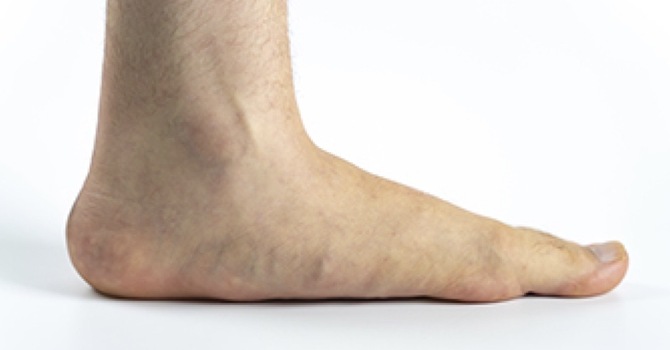


.png)