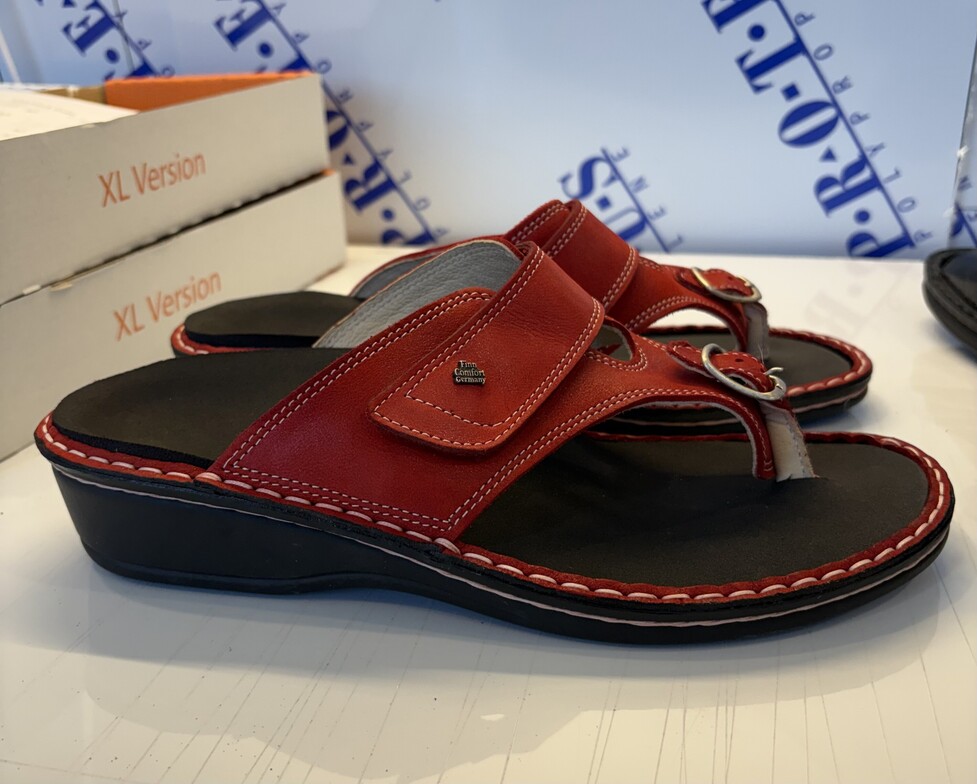
If your feet have been aching more than usual, you might assume you have plantar fasciitis, arthritis, or that you’re simply spending too much time on your feet. While these can certainly contribute to foot pain, there’s another common culprit that many people overlook: worn-out shoes.
Even if your shoes still look good on the outside, they may no longer be providing the support and cushioning your feet need. Over time, the materials inside every shoe begin to break down, changing how your feet move and absorb impact. This can lead to discomfort not only in your feet, but also in your ankles, knees, hips, and lower back.
Certain footwear are designed to cushion impact, provide stability, and support your natural walking pattern. One of the most important components of any shoe is the midsole—the layer of foam between the outsole and the upper. The midsole absorbs shock every time your foot contacts the ground and helps reduce the stress placed on your joints. Modsoles can improve or worsen certain foot biomechanics if the midsole is too thick, soft, hard or thin.
With regular use, the foam gradually compresses and loses its ability to rebound. While the shoe may still appear to be in good condition, its cushioning and support may have significantly deteriorated.
This is why a shoe that once felt comfortable can slowly become less supportive without you even noticing.
Some common signs that it’s time for a new pair include:
● Persistent foot fatigue after walking or standing
● Abnormal or uneven wear on the outsole
● Visible creasing or compression in the midsole
● The heel counter is broken or collapsed
● The insole has holes
● The upper has deviated inwards or outwards
If you notice one or more of these signs, your shoes may no longer be providing the support your feet need.
Can Worn-Out Shoes Cause Foot Pain?
Yes. As footwear loses its ability to cushion and support your feet, your body has to work harder to absorb impact and maintain stability. This extra stress can contribute to a variety of conditions, including heel pain, arch pain, plantar fasciitis, Achilles tendon irritation, metatarsalgia, and general foot fatigue.
Changes in foot mechanics can also affect the rest of your body. When your feet aren’t functioning efficiently, the additional strain may travel upward, contributing to discomfort in the knees, hips, or lower back.
How Long Should Shoes Last?
The lifespan of a shoe depends on how often you wear it, the surfaces you walk on, your body weight, and the type of shoe.
As a general guideline, running shoes often need replacing after 500–800 kilometres because the midsole gradually loses its shock-absorbing properties. Walking shoes and everyday footwear can also wear out long before they look damaged, especially if they’re worn daily or used for long hours on hard surfaces.
Rather than relying solely on age or appearance, pay attention to how your shoes feel. If they’ve become less comfortable or you’re noticing new aches and pains, it may be time to replace them.
Choosing the Right Shoe Matters
Replacing worn-out shoes is important, but choosing the right replacement is equally essential.
A shoe should match your foot shape, activity level, and lifestyle. Someone who spends eight hours standing at work has different footwear needs than someone training for a marathon or someone recovering from an injury.
Supportive footwear should provide a stable platform, appropriate cushioning, and enough room in the toe box without being excessively soft or unstable. The best shoe is one that complements your individual foot mechanics rather than following the latest trend.
When Shoes Aren’t the Whole Answer
While replacing worn-out shoes can make a significant difference, footwear isn’t always the complete solution. If pain continues despite wearing supportive shoes, there may be an underlying biomechanical issue contributing to your symptoms.
A comprehensive biomechanical assessment and gait analysis can identify how your feet move, whether abnormal loading patterns are present, and whether custom orthotics or other treatment options may help reduce stress on your feet and lower limbs.
If you’re experiencing persistent foot pain, don’t assume it’s something you simply have to live with. At Kelowna Premium Orthotics, we provide comprehensive biomechanical assessments, gait analysis, footwear evaluations, and personalized treatment recommendations to help identify the root cause of your discomfort.
Whether you need better footwear, custom orthotics, or simply guidance on choosing the right shoes, we here to help you move more comfortably and confidently.
Book an assessment today and let’s make sure your shoes are supporting your feet—not contributing to your pain.
Sam Biggs
Contact Me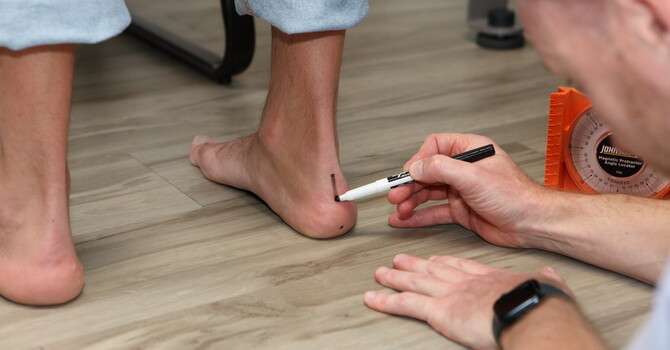


.png)