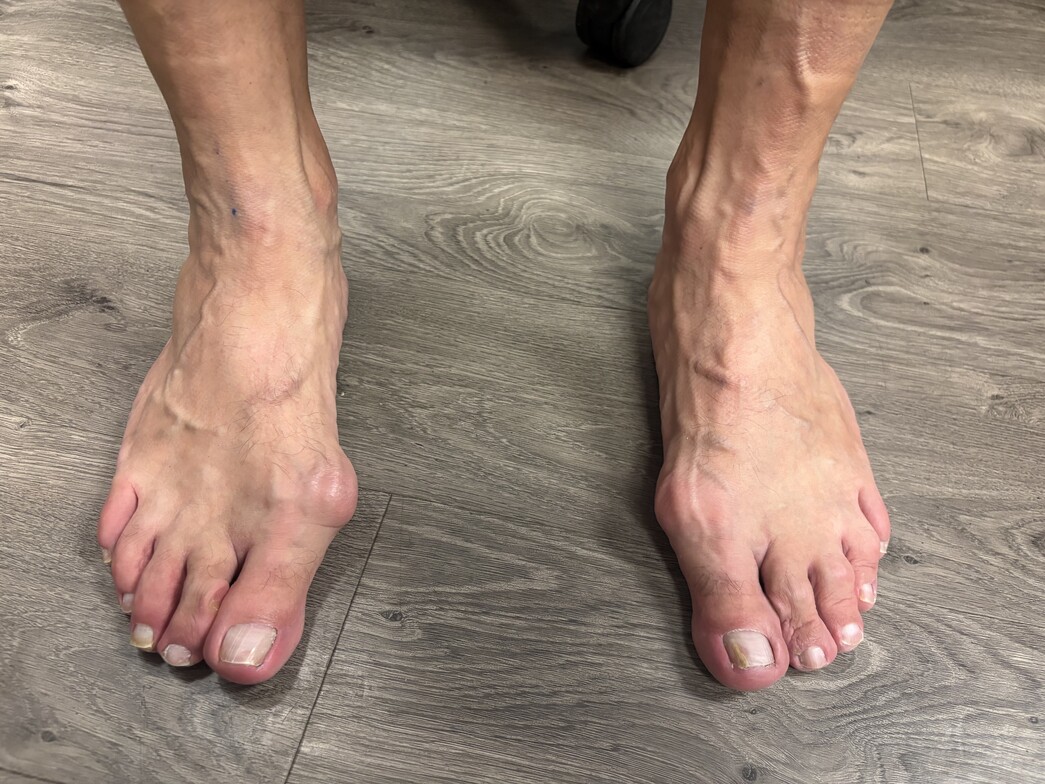
If you’re considering custom foot orthotics, you may wonder why a biomechanical assessment is necessary before your feet are cast or scanned. After all, if the orthotics are being made specifically for your feet, why can’t we simply take an impression and make them?
The answer is simple: custom orthotics should be designed around how your feet function, not just what your feet look like.
A foot impression provides important information about the shape of your feet, but it does not tell the whole story. Before casting or scanning, a biomechanical assessment allows your pedorthist to understand how your feet, ankles, knees, hips, and lower limbs work together during movement. This information helps determine what type of support you actually need and how your orthotics should be designed.
Your Feet Are More Than Their Shape
Everyone's feet are different. Some people have low arches, while others have high arches. Some feet are naturally flexible, while others are more rigid. Two people can have very similar-looking feet but completely different movement patterns.
This is why simply copying the shape of your foot isn't enough to determine what an orthotic should do.
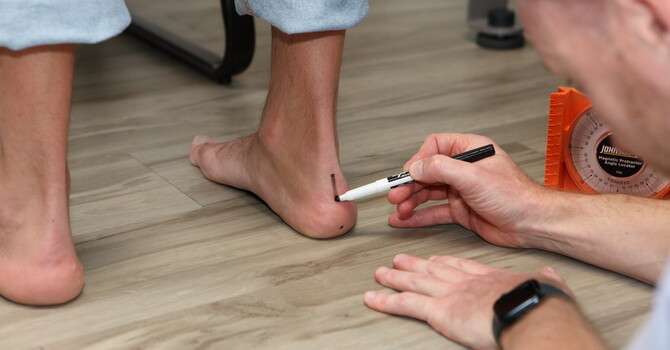
During a biomechanical assessment, your foot structure, joint mobility, muscle function, alignment, gait, and areas of pain or tenderness can all be evaluated. This provides a much more complete picture of how your feet function and what may be contributing to your symptoms.
Understanding What Is Causing Your Pain
An important part of an orthotics assessment is determining why you're experiencing pain in the first place.
Foot and lower-limb pain can have many different causes. Heel pain, arch pain, forefoot pain, knee pain, and even some hip or lower back complaints can be influenced by the way your feet and lower limbs move. However, orthotics aren't appropriate for every condition or every person.
A biomechanical assessment helps identify potential contributing factors and determine whether custom orthotics are an appropriate treatment option. In some cases, the best recommendation may be footwear changes, exercises, activity modification, or another form of treatment rather than orthotics.
Your Orthotics Need to Do a Job
A custom orthotic isn't simply designed to fill the space underneath your foot. It is designed with a specific purpose.
Depending on your individual needs, an orthotic may be designed to redistribute pressure, provide stability, accommodate a sensitive area, support a particular part of the foot, or influence how your foot moves during walking or other activities.
The biomechanical assessment helps determine what that purpose should be.
Without understanding how your feet function, there is no way to know what modifications or features should be incorporated into the orthotic.
Your Lifestyle Matters
Your orthotics also need to work for your everyday life.
Someone who spends eight hours standing at work may have very different needs from a runner, hiker, golfer, or someone who primarily wants support for casual walking. The footwear you use, the activities you participate in, and the amount of time you spend on your feet all influence the design of your orthotics.
During your assessment, these factors are considered alongside your biomechanics. This allows your orthotics to be designed around you, rather than simply around a generic foot shape.
Casting or 3D Scanning Comes After the Assessment
Once your assessment is complete and custom orthotics are determined to be appropriate, the next step is capturing the shape of your feet.
Depending on your individual needs, this may involve a 3D digital scan, foam impression, or another casting method. The resulting model provides the physical information needed to fabricate your orthotics.
The important distinction is that the cast or scan provides the shape, while the biomechanical assessment provides the clinical information needed to determine how that shape should be used.
Both pieces of information work together to create an effective custom orthotic.
Why We Don't Just Cast Your Feet
It can be tempting to think of custom orthotics as simply making an insert that matches the contours of your feet. However, a quality custom orthotic starts well before the casting process.
Skipping the assessment can mean missing important information about your movement, joint range of motion, muscle function, gait, footwear, activity demands, and the source of your symptoms. Without this information, there is less clinical information available to guide the design of the orthotic.
The goal isn't simply to make an orthotic that fits your foot. The goal is to make an orthotic that is appropriate for your feet, your movement, your symptoms, and your lifestyle.
What to Expect at Your Assessment
At Kelowna Premium Orthotics, your appointment begins with a conversation about your symptoms, activities, footwear, and goals. This is followed by a comprehensive biomechanical assessment of your lower limbs and gait.
If custom orthotics are appropriate for you, we'll explain why they may help and discuss the design and treatment approach before moving forward with casting or 3D scanning.
This process ensures that your orthotics aren't simply custom-made—they are custom-designed for a reason.
Custom Foot Orthotics Start With an Assessment
A foot impression is only one part of the custom orthotic process. The most important first step is understanding how your feet function and what you are trying to accomplish with treatment.
At Kelowna Premium Orthotics, we provide the entire process in-house, from assessment and casting or scanning through design, fabrication, dispensing, and follow-up care. This allows your orthotics to be based on your individual biomechanics and adjusted as needed throughout the treatment process.
If you're wondering whether custom orthotics are right for you, book a biomechanical assessment to find out what your feet need before anything is made.
Sam Biggs
Contact Me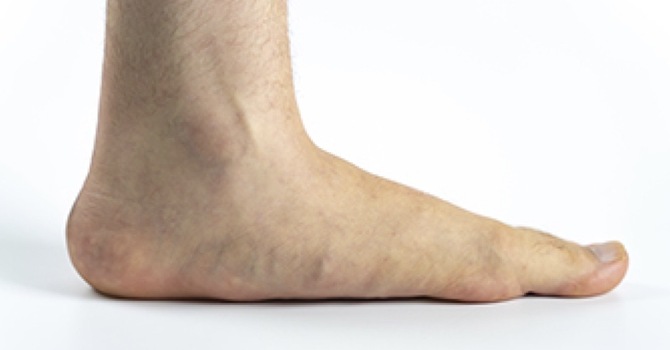


.png)