After a long day at work, do your feet feel sore, achy, or exhausted? If so, you're certainly not alone. Foot pain after standing all day is one of the most common complaints among healthcare workers, teachers, retail employees, hairstylists, tradespeople, warehouse workers, and anyone whose job requires long hours on their feet.
Many people accept sore feet as "part of the job," but persistent foot pain isn't something you should ignore. While it's normal for your feet to feel tired after a demanding day, ongoing pain is often a sign that your feet are under more stress than they can comfortably handle.
Fortunately, most causes of foot pain can be treated successfully once the underlying problem is identified. Whether your discomfort is caused by poor footwear, plantar fasciitis, flat feet, high arches, or another biomechanical issue, understanding the cause is the first step toward lasting relief.
Why Does Standing All Day Make Your Feet Hurt?
Your feet are the foundation of your body. Together, they contain 28 bones, 33 joints, and more than 100 muscles, tendons, and ligaments that work together to support your body weight, absorb shock, and propel you forward with every step.
Even if your job doesn't involve a lot of walking, standing for long periods places continuous stress on these structures. Unlike sitting, standing requires your muscles and joints to remain active to maintain balance and posture.
Over time, this constant loading can lead to fatigue, inflammation, and pain especially if other contributing factors are present.
Common Causes of Foot Pain After Standing All Day
1. Plantar Fasciitis
One of the most common causes of foot pain is plantar fasciitis.
The plantar fascia is a thick band of connective tissue that runs from your heel bone to your toes. It supports the arch of your foot, helps absorb shock, and stores energy with each step.
When the plantar fascia is repeatedly overloaded, tiny areas of irritation can develop, resulting in pain—most commonly where it attaches to the heel.
Common symptoms of plantar fasciitis include:
- Sharp heel pain with your first steps in the morning
- Heel pain after standing for long periods
- Pain after sitting or driving
- Tenderness on the inside of the heel
- Tight calf muscles
- Pain that improves as you walk but returns later in the day
People who spend many hours standing at work are at an increased risk of developing plantar fasciitis.
2. Wearing Unsupportive or Worn-Out Footwear
Your shoes play a significant role in how much stress is placed on your feet.
Over time, the cushioning and support inside your shoes compress and wear down, reducing their ability to absorb shock and stabilize your feet.
Shoes may contribute to foot pain if they:
- Lack adequate arch support
- Have worn-out midsoles
- Are too narrow or too wide
- No longer provide stability
- Have little cushioning
- Don't match your work environment
Replacing worn footwear is often one of the simplest ways to reduce foot pain.
3. Standing on Hard Surfaces
Many occupations require standing on concrete, tile, or other hard flooring for hours at a time.
These surfaces provide very little shock absorption, increasing the amount of force transmitted through your feet with every step.
Over weeks, months, and years, this repetitive stress can contribute to:
- Heel pain
- Arch pain
- Ball-of-foot pain
- Muscle fatigue
- Joint discomfort
Supportive footwear and appropriate insoles can help reduce these forces.
4. Flat Feet
People with flat feet often experience greater inward rolling of the foot (pronation) while walking.
This may increase stress on structures such as:
- The plantar fascia
- Posterior tibial tendon
- Knees
- Hips
Not everyone with flat feet experiences pain, but prolonged standing can make symptoms more noticeable.
5. High Arches
High arches create a different set of challenges.
Because the foot is often more rigid, it doesn't absorb shock as effectively. This can increase pressure beneath the heel and forefoot, contributing to discomfort after long shifts.
6. Metatarsalgia
Pain beneath the ball of the foot is commonly known as metatarsalgia.
It often develops from excessive pressure beneath the forefoot and is common in people who stand or walk for extended periods.
Symptoms include:
- Burning pain beneath the forefoot
- Sharp pain while walking
- Feeling like you're standing on a pebble
- Pain that worsens without supportive footwear
7. Previous Foot or Ankle Injuries
A previous injury doesn't always stop causing problems once it has healed.
Old ankle sprains, fractures, tendon injuries, or ligament damage can permanently change the way your foot functions.
These altered movement patterns may increase stress on other structures and contribute to recurring pain after standing.
8. Tight Muscles and Limited Mobility
Tight calf muscles and reduced ankle mobility can place additional strain on the plantar fascia and Achilles tendon.
Over time, this may contribute to heel pain and reduced walking efficiency.
A combination of stretching, strengthening, and manual therapy may help improve movement and reduce discomfort.
Can Foot Pain Affect Your Knees, Hips, or Back?
Yes.
Your feet act as the foundation for the rest of your body. When they aren't functioning efficiently, your body often compensates by changing the way you stand or walk.
This may increase stress on your:
- Ankles
- Knees
- Hips
- Lower back
Treating foot pain early can help prevent these compensatory movement patterns from becoming long-term problems.
How Can Foot Pain After Standing All Day Be Treated?
The best treatment depends on the underlying cause of your pain. A comprehensive treatment plan often includes several strategies working together.
Supportive Footwear
Choosing shoes appropriate for your occupation and foot type is one of the most important steps in reducing foot pain.
A well-fitting shoe should provide:
- Adequate cushioning
- Stability
- A supportive midsole
- Enough room in the toe box
- A secure heel fit
Over-the-Counter Insoles
Many people with mild symptoms benefit from high-quality over-the-counter insoles that improve cushioning and provide additional support.
Not everyone requires custom orthotics.
Custom Foot Orthotics
If your pain is related to abnormal biomechanics or persistent symptoms, custom foot orthotics may help redistribute pressure, improve alignment, and reduce stress on painful tissues.
Custom orthotics are designed specifically for your feet based on a comprehensive biomechanical assessment.
Physiotherapy
Physiotherapists can help improve flexibility, strengthen weak muscles, improve joint mobility, and correct movement patterns that may be contributing to your symptoms.
Massage Therapy
Massage therapy can reduce muscle tension in the feet and lower legs while improving tissue mobility and comfort.
Foot Exercises
Strengthening the small muscles of the feet and improving calf flexibility can increase stability and help support healthy movement over the long term.
When Should You See a Certified Pedorthist?
If your feet hurt every day after work, it's worth finding out why.
You should consider a professional assessment if you:
- Have pain lasting longer than 3-4 weeks
- Experience heel pain every morning
- Notice pain that continues to worsen
- Have recurring foot pain despite changing shoes
- Develop knee, hip, or back pain alongside your foot pain
- Have had previous foot or ankle injuries
Early treatment often leads to better outcomes and may help prevent chronic pain.
Why a Biomechanical Assessment Matters
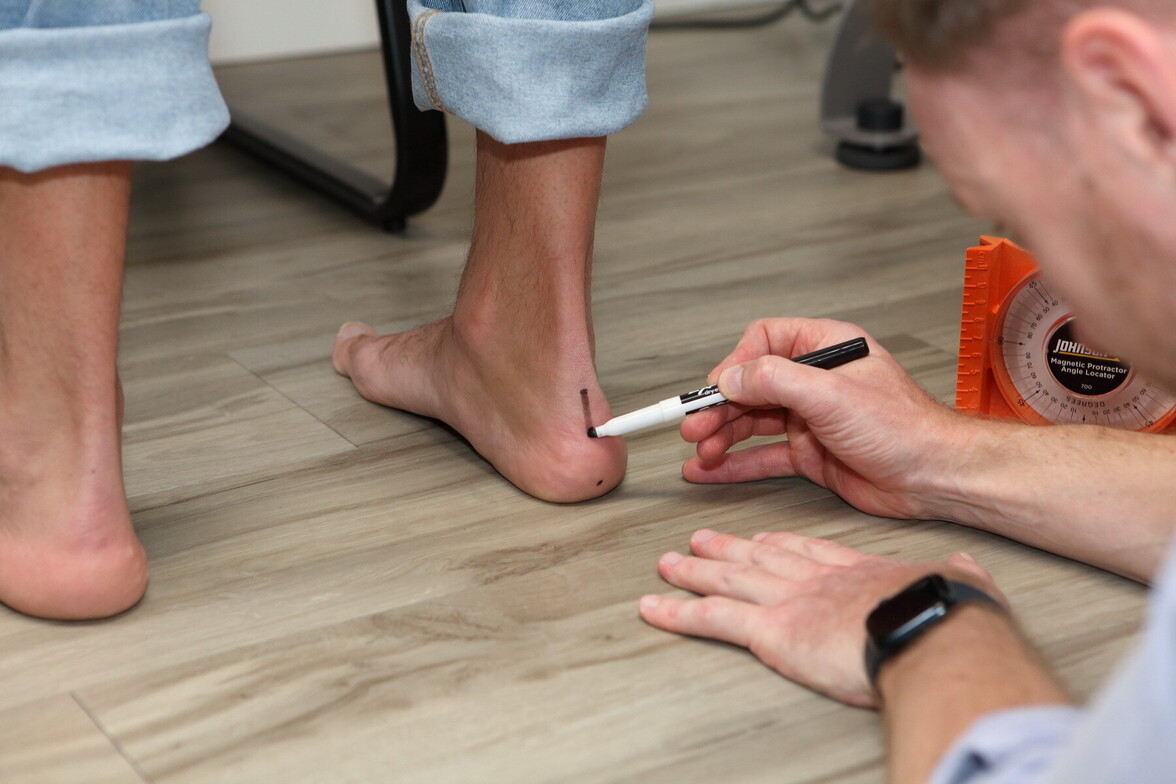
Rather than simply treating symptoms, a biomechanical assessment helps identify why those symptoms developed in the first place.
At Kelowna Premium Orthotics, a comprehensive biomechanical assessment evaluates:
- Your foot posture
- Arch height and structure
- Walking and gait mechanics
- Joint mobility
- Muscle flexibility and strength
- Previous injuries
- Current footwear
- Occupational demands
- Areas of excessive pressure
Even if you're not experiencing significant pain today, a biomechanical assessment can be valuable if you have flat feet, high arches, a physically demanding job, previous injuries, or spend long hours standing at work.
Identifying these factors early allows treatment to focus on prevention, not just pain relief.
Sam Biggs
Contact Me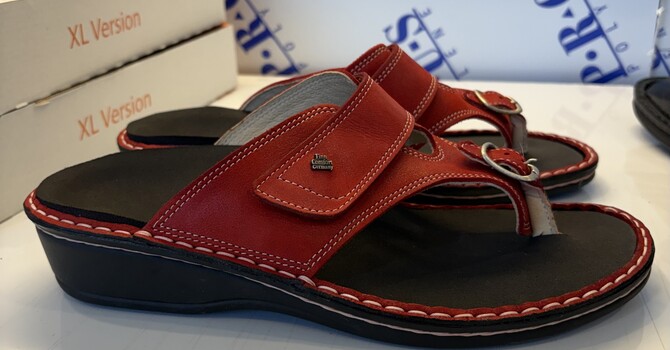


.png)